

351,000 Clean-Energy Jobs Put Tech and Project Skills in Demand
Clean energy runs on more than turbines and solar panels: it needs tech and project delivery skills too. With over 351,000 clean-energy jobs forecast for Australia by 2050 and $200 billion AUD in investment, in-demand roles now include Cybersecurity Analysts, Cloud Engineers, Data Analysts, Project Managers and Business Analysts.
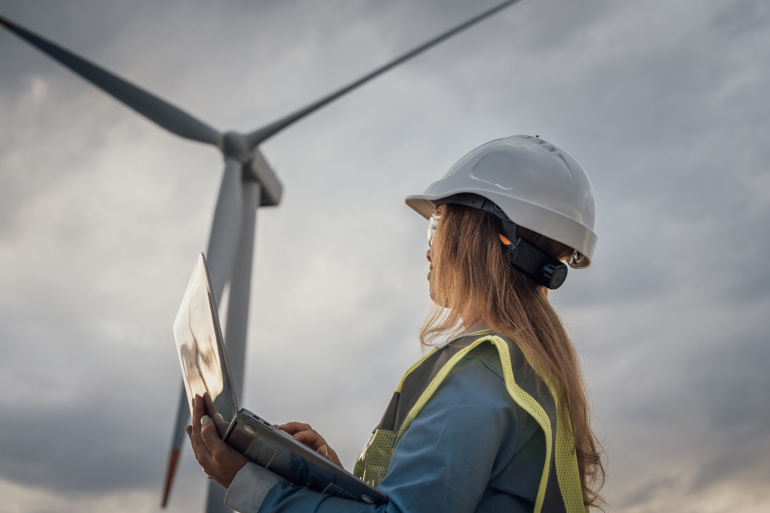
New figures from Western Australia’s Clean Energy Skills National Centre of Excellence project more than 351,000 clean-energy jobs across Australia by 2050.
Backed by over $200 billion AUD in investment, the shift will reach far beyond electricals and engineering. Solar panel installation, wind farm construction, batteries, hydrogen safety and electric vehicles all need digital systems and disciplined project delivery by skilled professionals.
Written by
Excelling as a Career Consultant for over five years, Arthur has now moved into senior management. He leads a dedicated team of Consultants in our Australian office, helping individuals kick-start a new career in tech or project management.

Clean-Energy Investment Is Building a Much Broader Workforce
The Clean Energy Skills National Centre of Excellence expects Western Australia’s electricity-sector workforce to grow by up to 4% a year through to 2050. Its immediate priorities include electrical, mechanical, instrumentation and engineering trades, supported by targeted training, grants, free resources and higher apprenticeships.
Australia cannot build renewable infrastructure without qualified workers, so this focus on skill-building aligns with the country’s latest federal budget. Every new wind farm, battery facility, or hydrogen plant creates complex technology and delivery requirements, including networks, cloud platforms, operational data, security controls, procurement, schedules and stakeholder coordination.
Green Energy Runs on Technology as Well as Turbines
The green energy sector is becoming increasingly digital as its infrastructure expands. As a result, there’s a growing number of tech roles supporting systems behind generation, storage, and distribution. Here are a few of the most in-demand roles in clean energy, along with their average salaries and the certifications you likely need to secure these jobs:
| Tech role |
Typical responsibilities |
Recommended certifications | Average salary | |
|
IT Support Technician |
|
|||
|
||||
|
||||
|
||||
|
Emerging and new technologies - like AI - add another layer of necessary expertise. Battery storage, electric-vehicle charging and hydrogen operations rely on software, sensors and secure communications. The clean-energy workforce needs people who can keep those systems reliable, connected and protected.
Renewable Energy Projects Need Strong Project Teams
While technology provides the infrastructure needed for renewable energy expansion, Project Managers turn plans into working, impactful assets. Their work covers budgets, risks, suppliers, schedules, reporting and communication across government, engineering firms, technology teams and local communities.
Here are a few of the most common project roles in clean energy, along with their average salaries and the certifications you likely need to secure these jobs:
| Project role |
Typical responsibilities |
Recommended certifications | Average salary | |
|
Project Officer / Project Coordinator |
|
|||
|
||||
|
Energy / Business Analyst |
|
|
||
|
Program Manager |
|
|
||
|
Business Development Manager |
|
|
The scale is already visible. The Australian and NSW governments are making a joint $24.8 million AUD clean-energy workforce investment, including $16.7 million for facilities across six TAFE NSW campuses, and $8.1 million for teachers, trainers and assessors.
Each training site, technology rollout, and workforce program brings its own delivery work. And project management professionals are needed to align the people, funding, deadlines, and outcomes.
450,000: The Number of Clean Energy Construction Jobs by 2030
According to the Clean Energy Council, 450,000 jobs in the construction of clean energy generation and transmission infrastructure will be needed over the next four years.
This represents a staggering one-third of all jobs growth in Australia by 2030, showing high demand for Construction Project Managers.

Why The Renewable Energy Sector Works for Career Changers
A clean-energy career does not always require years of energy-sector experience. If you have managed deadlines, solved technical problems, interpreted data or coordinated different stakeholders, you already have useful building blocks.
The next step is to add recognised skills for a clear target role. When changing direction, vocational certifications in tech and project management help set you apart from other candidates.
Speak to a Career Consultant today - they’ll help you identify a pathway that matches your strengths and career goals.
Latest Sector Guides and Insights
 Changing Career
How to Change Careers: The Ultimate Guide to Switching to a Career You Love
Feeling unfulfilled in your current job? Discover how to define your career change goal, assess your skills, explore new industries, and plan your career change with the right support.
Read More Changing Career
How to Write a Career Change Cover Letter, with Examples
A strong career change cover letter follows five steps: a confident opening naming the role, genuine motivation for the company, transferable skills linked to past achievements, evidence of relevant training or certifications, and a closing that reinforces your value and enthusiasm.
Read More Changing Career
How to Change Career at 50: The Steps and Advantages of a Later-in-Life Career Change
If you’re 50 and thinking about changing careers, let me reassure you – it’s not too late. In fact, it might be the perfect time. Read on to learn more about why and how to change careers in later life.
Read More AI
AIHow to Prepare for AI’s Impact on Australia and New Zealand's Job Market and Careers
The "AI is stealing all the jobs" talk is scary. My best advice: don't panic, prepare. In this guide, I've used current statistics to tell a story of how AI is impacting Australia and New Zealand's job market, and how you can future-proof your career for this digital revolution.
Read More