

From Defence to Project Management: Building a Civilian Career with Confidence
Leaving the armed forces and aren't sure which career to switch to? Here's why project management could be a great option for you.

Leaving the armed forces is more than just a career change; it’s a lifestyle shift. For many veterans, the question isn’t “Can I do the job?”,
it’s: “What will my life look like outside of defence?”
Project management offers a clear, structured path forward—but it’s important to address the real concerns that come with this transition. In this article, I give some realistic options for careers post-military, as well as practical advice on how to secure you first civilian role.
Need more insight into what project management looks like as a career? Take a look at our dedicated guide on “What is Project Management”.
Written by
Gaby Marsom is a dedicated Career Consultant who specialises in project management. She works closely with students and professionals to help them unlock their potential, shift career paths, and thrive in competitive industries.

What's on this page?
Jump to:
- The Reality of Transitioning to Civilian Life
- Achieving Long-Term Security Post-Military
- A Different Pace of Living: Work-Life Balance as a Civilian
- Why Ex-Forces Professionals Thrive in Project Management
- Where Our Students Have Placed
- The Key to Switching Careers from Defence: Training and Certifications
- Final Thoughts on Choosing the Right Career After Leaving the Armed Forces
The Reality of Transitioning to Civilian Life
In the military, a lot of life is structured for you. Housing, routine, and support systems are built in.
Moving into civilian work can bring uncertainty, especially around financial changes and cost of living. Many veterans are used to subsidised living, meaning day-to-day expenses are often lower. Transitioning out can feel like a financial step backwards at first. Rent or mortgages, commuting costs, and general living expenses can quickly add up.
However, project management offers strong earning potential and progression. With the right certifications and direction, many ex-forces professionals find they not only stabilise, but significantly increase their income within a few years.
Achieving Long-Term Security Post-Military
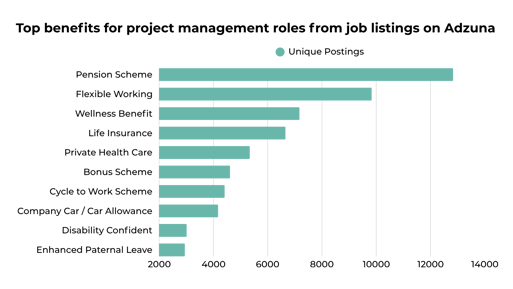
Leaving a military pension scheme can feel like walking away from stability. While civilian roles don’t always mirror that structure, many organisations offer competitive benefits packages and pension schemes.
More importantly, project management gives you career mobility, the ability to move roles, industries, and increase your earning potential over time. That flexibility becomes its own form of long-term security.
A Different Pace of Living: Work-Life Balance as a Civilian
One of the biggest positives veterans report after transitioning is improved work-life balance - the government's latest UK Regular Armed Forces Continuous Attitude Survey highlighted that just 45% of personnel feel able to maintain a balance between their personal and working life.
While project management can be fast-paced, it typically offers:
- More predictable working hours
- Greater control over your schedule
- The ability to truly switch off outside of work
For many, this means more time with family, more personal freedom, and the ability to build a life outside of work, something that can be limited in defence roles.
Why Ex-Forces Professionals Thrive in Project Management
Despite the challenges, the strengths you bring are exactly what employers are looking for:
- Leadership & team coordination in high-pressure environments: Cornerstone’s 2026 Skills Economy Report revealed that demand for leadership skills has grown by +28% since 2023. This global increase includes the project management sector, showing just how valuable and transferable your skillset is.
- Operational and strategic planning under strict deadlines: Veterans are no stranger to non-negotiable due dates and deadlines. As a result, keeping a project on track and within budget will likely come naturally to you.
- Risk and incident management: Effectively mitigating risks and responding to challenges appropriately as they arise, is a huge part of project management, just as it is within defence.
- Clear communication and stakeholder engagement: According to LinkedIn's 2026 Skills on the Rise Report, soft skills such as stakeholder communication, are some of the fastest-growing and most in-demand. Clear communication is an essential skill for armed forces professionals and project management professionals.
- Resilience and adaptability: Remaining calm and level-headed in the face of unforeseen challenges is an important skill for defence and project professionals. In fact, in a recent poll of 500+ professionals by the Association of Project Management, adaptability/flexibility ranked as the third most crucial skill for project-based roles.
- Strong process and compliance mindset: Veterans understand that developing and sticking to solid processes and procedures is much more than a tick-box exercise: it safeguards against mistakes. The same applies for effective project management professionals.
Where Our Students Have Placed
A career in project management opens doors to numerous industries - with thousands of project-based job listings live in the UK, there's space for you and your skillset.
Our project management students have gone on to work in a range of areas, including (but not limited to):
- Defence and aerospace: A natural transition with organisations like BAE Systems and Thales Group actively hiring veterans.
- IT and cybersecurity: High demand, fast growth, and strong alignment with security-focused experience make IT project management a great option.
- Construction and infrastructure: Companies such as Balfour Beatty deliver complex, large-scale construction projects that mirror military operations.
- Consulting and Change Management: Firms like PwC and Deloitte value leadership, adaptability, and strategic thinking.
Hear from Elizabeth, who landed a job at BAE Systems
Elizabeth wanted a career change after realising she didn’t want to be a teacher anymore. After finding Learning People and speaking to one of our expert Career Consultants, she found she had many transferable skills which would help her excel in Project Management. At the time of this interview with just half of her studies completed, Elizabeth has just secured a role as Project Controller at her dream company, BAE Systems.
The Key to Switching Careers from Defence: Training and Certifications
Although your experience is incredibly powerful, it needs to be translated into language civilian employers will understand. This can be done through completing globally-recognised project management courses and certifications.
For veterans, we typically recommend:
- PRINCE2® certifications, including PRINCE2® Foundation and PRINCE2® Practitioner, will give you a structured framework and widely recognised methodology, helping you adapt your experience to civilian projects.
- The APM Project Management Qualification (PMQ) certification builds deeper knowledge and demonstrates your ability to manage projects at a strategic level.
Together, these project management certifications bridge the gap between military experience and civilian expectations.
When transitioning from defence, many people look into funding routes such as ELCAS. While that can be a useful option, it’s important to focus on the bigger picture, where the training actually leads.
Some programmes are heavily focused on using funding, but offer limited support beyond the course itself.
A more effective approach is choosing a pathway that prioritises:
- Clear career direction
- Industry-recognised project management certifications
- Practical support with CVs, interviews, and job applications
- A direct route into employment
While we don’t currently support ELCAS funding, the focus is on something equally important, helping you move into a civilian career as efficiently and confidently as possible. Because ultimately, the goal isn’t just to gain a qualification: it’s to secure a role and build a long-term career.
Final Thoughts on Choosing the Right Career After Leaving the Armed Forces
It’s easy to feel like you’re going back to square one when leaving defence. But you’re not. You’re taking years of leadership, planning, and operational experience and applying it in a new environment. A career in project management can provide you with a clear progression path, transferable opportunities across industries, strong earning potential, and a better work-life balance.
The transition from defence to civilian life comes with valid concerns - financial, personal, and professional. But with the right direction, those concerns can become opportunities. Project management doesn’t just offer a job: it offers a structured, rewarding career that respects where you’ve come from, while giving you control over where you’re going next. Speak to us today about kick-starting your career in project management.
Related Articles
 Changing Career
How to Learn Business Analytics: A Practical Guide
This guide explains how to learn business analytics in a practical, structured way, from understanding business problems to building skills in Excel, SQL, Tableau, Power BI and Python. It also covers project-based learning, portfolio building and why the right support can help career changers move towards Analyst roles with more confidence.
Read More AI
AIHow to Prepare for AI’s Impact on the UK Job Market and Careers
The "AI is stealing all the jobs" talk is scary. My best advice: don't panic, prepare. In this guide, I've used current statistics to tell a story of how AI is impacting the UK job market and how you can future-proof your career for this digital revolution.
Read More Changing Career
What Is Business Analytics? A UK Career Guide
Business analytics helps organisations use data to understand problems, spot opportunities and make better decisions. In this guide, I explain what business analytics means, how it works, the skills involved, and why it can be a practical route into tech for career changers.
Read More Soft Skills
Soft Skills vs Hard Skills: Striking the Right Balance in Tech
Discover what soft skills are and why they’re vital for success in tech. Learn how communication, adaptability and emotional intelligence can future-proof your career alongside hard, technical skills.
Read More